
What is Counselling in Education?
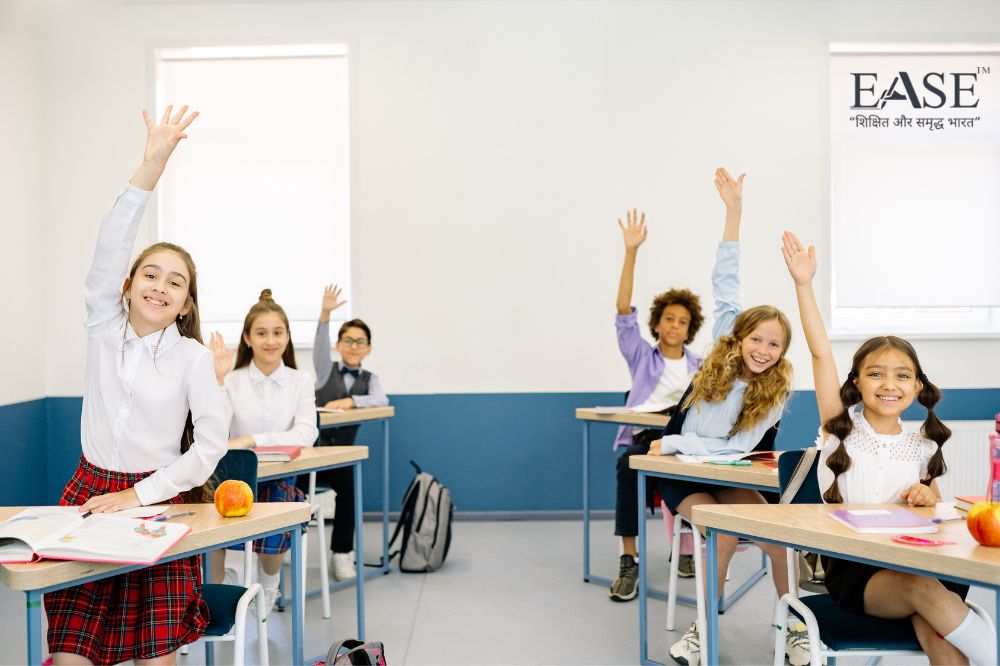
What is Counselling in Education? Counselling in education is a student-centered approach that empowers learners through academic, emotional, and career guidance. By providing structured support and problem-solving strategies, educational counselling helps students overcome personal and academic challenges, improve decision-making, and align their goals with long-term success. This article explores the meaning of counselling in education, its key types, advantages, and how it transforms school environments. A must-read for educators, institutional leaders, and parents seeking effective student support systems. Understanding What is Counselling in Education? Educational counselling is a structured process where trained professionals assist students in academic, personal, and career-related matters. It helps students overcome challenges, set goals, and develop essential life skills. Key Objectives of Educational Counselling: Academic Guidance – Helping students choose subjects, courses, and study techniques. Career Counselling – Assisting students in selecting career paths based on their interests and strengths. Personal Development – Addressing emotional and psychological concerns to improve well-being. Skill Enhancement – Developing communication, leadership, and decision-making skills. Problems of the Education System in India Types of Counselling in Education 1. Academic Counselling Helps students choose the right subjects and courses. Provides study techniques and time management strategies. Assists in exam preparation and overcoming academic stress. 2. Career Counselling Guides students in choosing career paths based on aptitude and interests. Provides information on job opportunities, higher education, and skill development. Helps students prepare for interviews and professional growth. 3. Psychological Counselling Supports students dealing with stress, anxiety, and emotional challenges. Helps in building self-confidence and coping mechanisms. Encourages mental well-being and resilience. 4. Behavioral Counselling Addresses disciplinary issues and behavioral concerns. Helps students develop positive habits and social skills. Encourages self-awareness and emotional intelligence. Grow Your Education Institute with us Benefits of Counselling in Education Improves Academic Performance – Students receive structured guidance to excel in studies. Enhances Decision-Making Skills – Helps students make informed choices about their future. Boosts Mental Health – Provides emotional support to reduce stress and anxiety. Encourages Personal Growth – Develops confidence, leadership, and communication skills. Strengthens Teacher-Student Relationships – Creates a supportive learning environment. Frequently Asked Questions (FAQs) Q1: Why is counselling important in education? A1: Counselling helps students overcome challenges, make informed decisions, and improve academic and personal growth. Q2: How does career counselling benefit students? A2: Career counselling assists students in choosing the right career path, understanding job opportunities, and preparing for professional success. Q3: What role does psychological counselling play in schools? A3: Psychological counselling helps students manage stress, anxiety, and emotional challenges, ensuring mental well-being. Q4: How can schools implement effective counselling programs? A4: Schools can introduce trained counsellors, interactive workshops, and personalized guidance sessions to support students. Q5: What are the key qualities of a good educational counsellor? A5: A good counsellor should have empathy, strong communication skills, problem-solving abilities, and a deep understanding of student needs. Final Thoughts Counselling in education is essential for student success, providing academic, career, and emotional support. Schools and institutions must prioritize counselling programs to create a positive learning environment and empower students to achieve their full potential.
Problems of the Education System in India

India’s education system is vast and diverse, yet it faces critical challenges that hinder its ability to provide quality learning experiences. While the country has made significant strides in expanding access to education, deep-rooted issues continue to affect students, educators, and institutions. Let’s explore the major problems plaguing the Indian education system and discuss practical solutions to create a more effective and inclusive learning environment. 1. Outdated Curriculum & Rote Learning Culture One of the biggest flaws in the Indian education system is its outdated curriculum, which often fails to align with modern industry demands. Schools and universities emphasize rote memorization over critical thinking and problem-solving, leaving students ill-prepared for real-world challenges. Why is this a problem? Students memorize facts without understanding concepts. Lack of emphasis on creativity and innovation. Graduates struggle to meet industry expectations. Solution: Regular curriculum updates to match global standards. Integration of experiential learning and project-based education. Encouraging problem-solving and analytical thinking in classrooms. 2. High Student-Teacher Ratio & Lack of Qualified Educators Many schools, especially in rural areas, suffer from overcrowded classrooms and a shortage of trained teachers. This leads to poor student engagement and limited individual attention, affecting learning outcomes. Why is this a problem? Teachers struggle to manage large classrooms. Students don’t receive personalized guidance. Lack of mentorship affects skill development. Solution: Hiring more educators and improving teacher training programs. Implementing technology-driven learning solutions to supplement teaching. Encouraging mentorship programs for personalized learning. 3. Inequality in Access to Education Despite government initiatives, economic disparities, gender biases, and regional inequalities prevent many students from receiving quality education. Rural areas often lack basic infrastructure, while urban schools may have better resources but higher costs. Why is this a problem? Many children drop out due to financial constraints. Girls face societal barriers to education. Rural schools lack proper facilities and trained teachers. Solution: Strengthening government initiatives like the Right to Education (RTE) Act. Providing scholarships and financial aid for disadvantaged students. Promoting inclusive education policies to bridge the gap. 4. Examination Pressure & Lack of Holistic Development The Indian education system is highly exam-oriented, leading to stress and anxiety among students. There is minimal focus on extracurricular activities, creativity, and overall personality development. Why is this a problem? Students prioritize grades over actual learning. Mental health issues due to extreme academic pressure. Limited opportunities for sports, arts, and leadership development. Solution: Reforming assessment methods to include project-based evaluations. Encouraging sports, arts, and leadership programs in schools. Providing mental health support and counseling for students. 5. Limited Focus on Vocational & Skill-Based Education Most schools and colleges emphasize theoretical knowledge over practical skills, making students less employable in competitive job markets. Why is this a problem? Graduates struggle to find jobs due to lack of practical experience. Industries demand hands-on skills, but schools focus on textbooks. Entrepreneurship and innovation are not encouraged. Solution: Introducing vocational training programs in schools. Collaboration with industries for hands-on learning experiences. Encouraging entrepreneurship and innovation among students. Frequently Asked Questions (FAQs) Q1: What is the biggest challenge in the Indian education system? The biggest challenge is the outdated curriculum and lack of practical learning, which affects students’ employability and skill development. Q2: How can schools improve infrastructure in rural areas? Schools can improve infrastructure through government funding, corporate sponsorships, and community-driven initiatives. Q3: Why is there a high dropout rate in India? Economic constraints, lack of access to quality education, and societal pressures contribute to high dropout rates, especially among girls and marginalized communities. Q4: What reforms can help reduce exam pressure on students? Reforms such as project-based assessments, skill-based learning, and mental health support can help reduce exam stress and promote holistic development. Final Thoughts The Indian education system has immense potential, but systemic reforms are necessary to make learning more effective, inclusive, and future-ready. By addressing these challenges, we can create an education system that empowers students, fosters innovation, and prepares them for real-world success.